On to the fourth module and this was about various different types of networking services that we use and how they are beneficial to us. The learning objectives were as follows:
- To describe why name resolution is important
- To identify the steps involved in a DNS lookup
- To understand the most common DNS record types
- To explain how DHCP makes network administration a simpler task
- To demonstrate how NAT technologies help keep networks secure & preserve IP space
- To describe how VPN's & proxies help users get connected and stay secure
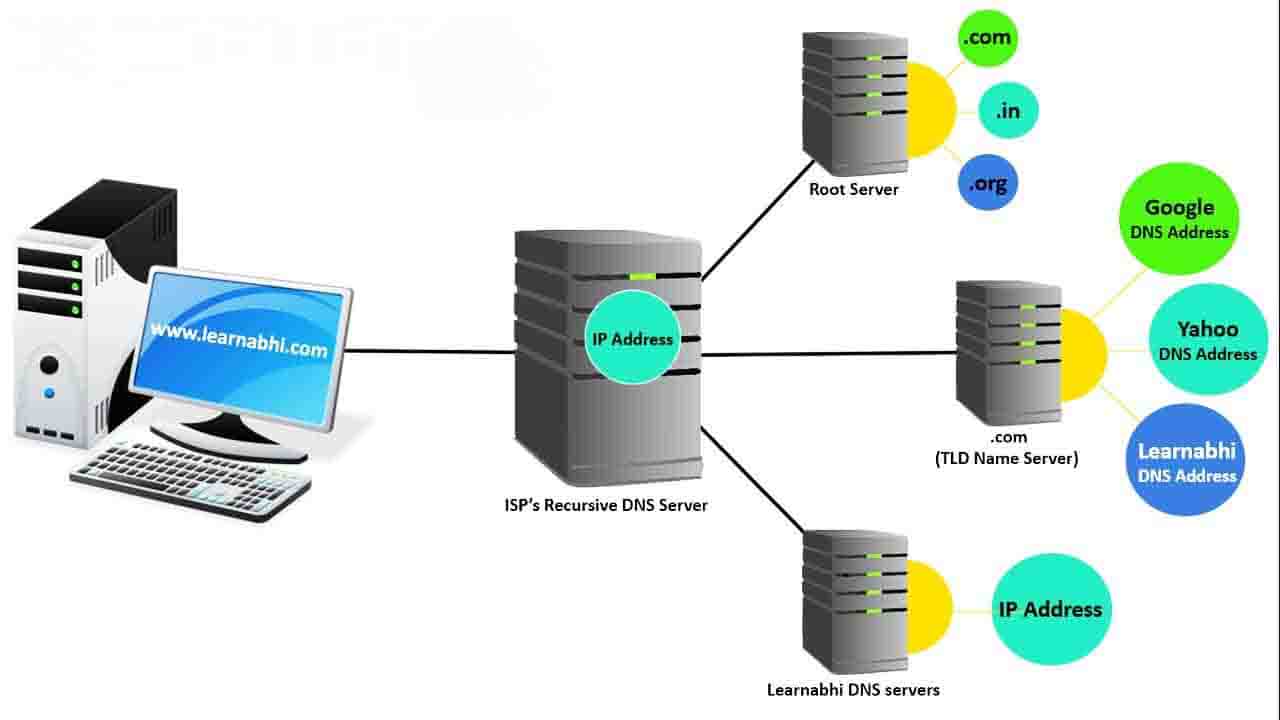
letters to IP addresses. I learnt the five primary types of DNS servers that are used in the process of making a full DNS resolution request and how these requests are sent as UDP datagrams to help keep traffic down. Next I began to understand some of the different resource record types, such as A record's, CNAME record's and MX record's as well as the concept of DNS round robin and it's use in balancing traffic across IP addresses. Finally, I learnt how DNS zones can be used to split large domains into multiple subdomains to allow for easier control over multiple levels.
After touching on DNS and it's importance in networking I then moved on to Dynamic Host Configuration Protocol. I learnt that this protocol is responsible for the automation of the configuration process of hosts, and does so through either dynamic, automatic or fixed allocation. This process works by broadcasting a series of UDP datagrams between a client and DHCP server to request, offer and acknowledge the allocation of an IP address.

Finally, I briefly learnt about the use of Virtual Private Networks in extending a network to hosts outside of it, along with how proxy servers can act on behalf of a client in accessing services therefore giving increased anonymity and security.
On the whole, I found this module quite interesting and useful in starting to get a better understanding of the range of services that are put to use in the world of networking.
Dave
No comments:
Post a Comment